
Top Classic and Modern Strains: In-Depth Reviews and Characteristics
Why certain classics and modern hybrids remain essential
Across a 31-strain ranking compiled from decades of grow experience, the strains that remain essential share five clear traits: consistent potency, distinctive terpene fingerprints, dependable yield performance, cultural impact, and repeatability across phenotypes. The list used to produce this guide emphasizes real-world performance over lab numbers, noting that the top entries push 30%+ peak THC while also delivering flavor depth and predictable harvests. For growers and consumers, that combination—potency plus repeatability—is the primary reason these names stay in rotation across seasons and continents.
Profile snapshots: classics and modern heavyweights
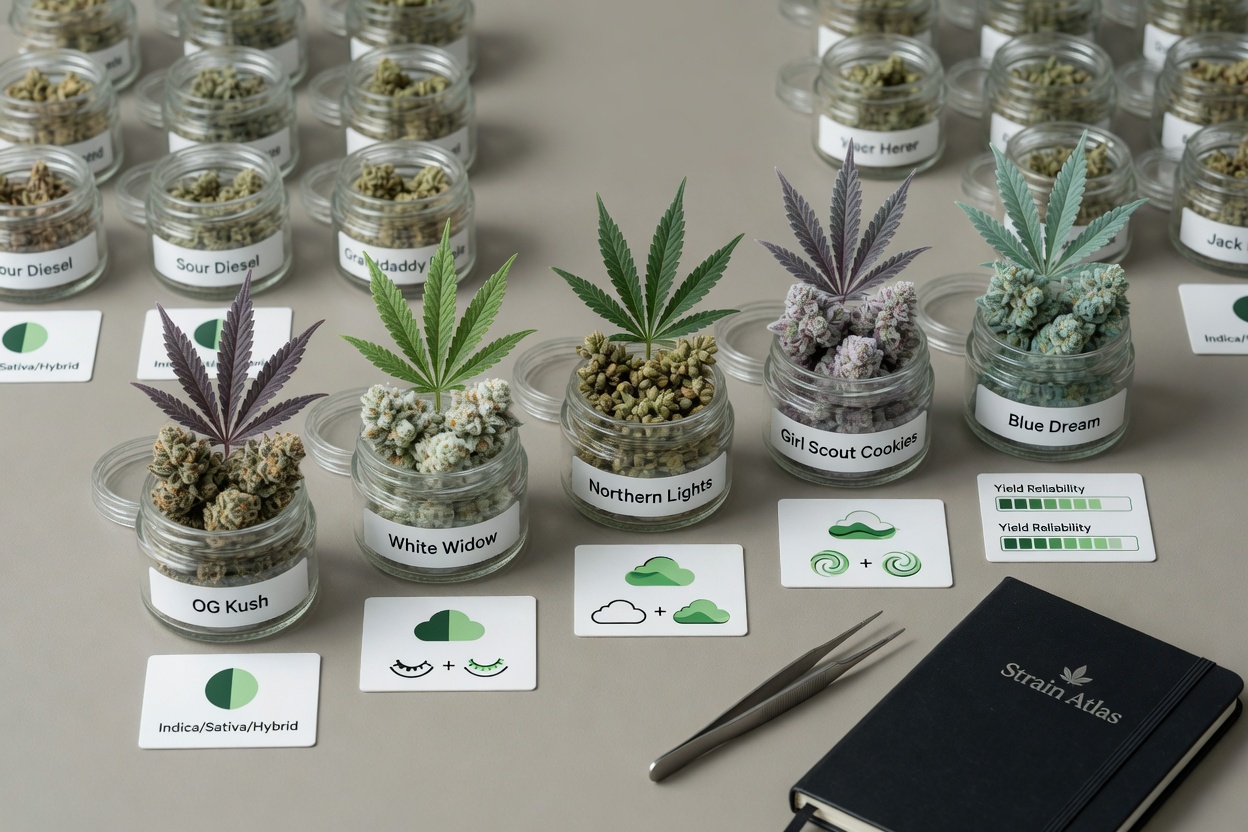
OG Kush is repeatedly cited on practitioner lists for its balance of potency and aroma; growers report reliable flowering and a terpene-forward resin production that supports both extraction and smoke quality. White Widow, a classic hybrid, is celebrated for its resilience in varied indoor conditions and its consistent bud structure, making it a staple for growers who prioritize predictability. Northern Lights remains an indica benchmark for compact structure and dependable yields, especially for cultivators with limited grow space who want a repeatable outcome.
Girl Scout Cookies (GSC) and Blue Dream represent modern hybrid success: GSC for intense terpene complexity and high potency in phenotype-forward crosses, and Blue Dream for an easy-to-grow sativa-leaning hybrid that combines yield reliability with approachable effects. These strains exemplify the pathway from landrace and heirloom genetics into contemporary breeding programs aimed at balancing flavour, THC performance, and grower-friendly traits.
What the ranking tells growers about strain yields and potency
The methodology behind the 31-strain selection stresses yield reliability as a core ranking factor, not just raw THC numbers. While some top entries hit 30%+ THC, the distinguishing feature for many growers is how consistently a strain produces usable, terpene-rich flower across multiple phenotypes and harvests. This approach rewards strains with stable genetics and documented lineage, which often trace back through 50+ years of combined strain history noted by the compilers.
For practical choice-making, prioritize strains with documented performance in environments similar to yours. Canadian cultivators, for instance, can use the compiled grow data and hands-on phenotyping results from those 30+ years of combined experience to estimate realistic yields and flowering windows for indoor and outdoor setups.
Terpenes and genetics: linking aroma to effects and outcomes
Terpene profiles are as important as THC/CBD numbers when distinguishing classics from modern hybrids; terpene depth defines flavour, perceived effect, and even some aspects of how a cultivar behaves under harvest and curing. For growers and consumers wanting a deeper technical read on how terpenes shape effects and interact with cannabinoids, the article Terpene profiles and the entourage effect explains why matching terpene fingerprints to desired effects is useful when selecting a strain for specific outcomes.
Breeders combine landrace and heirloom genetics to lock in terpene signatures while increasing vigor and yield reliability. When a breeder stabilizes a desirable terpene profile across phenotypes, that strain moves from a standout phenotype into a repeatable cultivar that growers can count on season after season.
Choosing strains for reliable home cultivation in Canada
Canadian growers face practical limits such as the 4-plant household rule under the Cannabis Act (2018), which makes strain selection for repeatable yield even more critical. With limited plant counts, choose strains known for high-quality output per plant rather than simply the highest lab THC. Strains on practitioner-ranked lists were selected for this reason: they combine potency and dependable flower production rather than one-off lab peaks.
To maximize return from a small home grow, pick varieties with proven indoor performance and stable flowering rhythms. Look for clear breeder notes on expected yield, flowering time, and whether the cultivar has stable phenotypes; these details let you plan canopy training and nutrient schedules to extract the best yield from each of the limited plants you are allowed.
Breeding trends and how they affect strain selection
Modern breeding trends favor hybrid vigor that blends potency, terpene variety, and stable morphology. Recent successful crosses emphasize repeatability: breeders prioritize lines that deliver similar terpene and cannabinoid profiles across multiple mothers and seed runs. This movement explains why contemporary hybrids often outperform older landrace strains for growers wanting consistent quality and predictable yields.
However, landrace and heirloom genetics remain crucial as reservoirs of unique terpene chemistries and resilience traits. Responsible breeders use those older genetics to rebuild diversity while selecting for modern needs like mold resistance or compact growth forms that suit urban or small-scale cultivation.
Practical selection checklist and next steps for growers
When narrowing choices from a list of classics and modern strains, focus on documented repeatability, terpene profile alignment with your desired effects, and actual grow reports from similar climates or setups. Use small test grows across one season to evaluate which phenotype best matches your environment, then scale from plants that show both strong resin production and stable structure.
Keep cultivation records for each strain—note feeding, training, pest events, and final yields—to build a personal database that complements broader practitioner rankings. Over successive grows, this approach turns a ranked list of 31 legendary strains into a tailored selection of reliable performers suited to your goals and limits.